
Get Your WDI Report Before Due Diligence Ends
Charlotte-area NPMA-33 inspections with same day as inspection turnaround. Your due diligence window stays intact.
In North Carolina, the due diligence period is where deals get made or fall apart, and the WDI inspection is one of the first things that needs to happen inside that window. Once due diligence expires, your buyer loses their leverage to negotiate on findings. Cornerstone’s owners also operate a top-10 Charlotte-area real estate brokerage with over 2,000 closings a year. We handle NPMA-33 inspections across Mecklenburg and Union Counties every week and understand what a tight due diligence window means for your transaction. Call with the property address, your due diligence deadline, and we’ll confirm a delivery timeline before we show up.
Schedule a WDI Inspection
How North Carolina Handles the Termite Letter
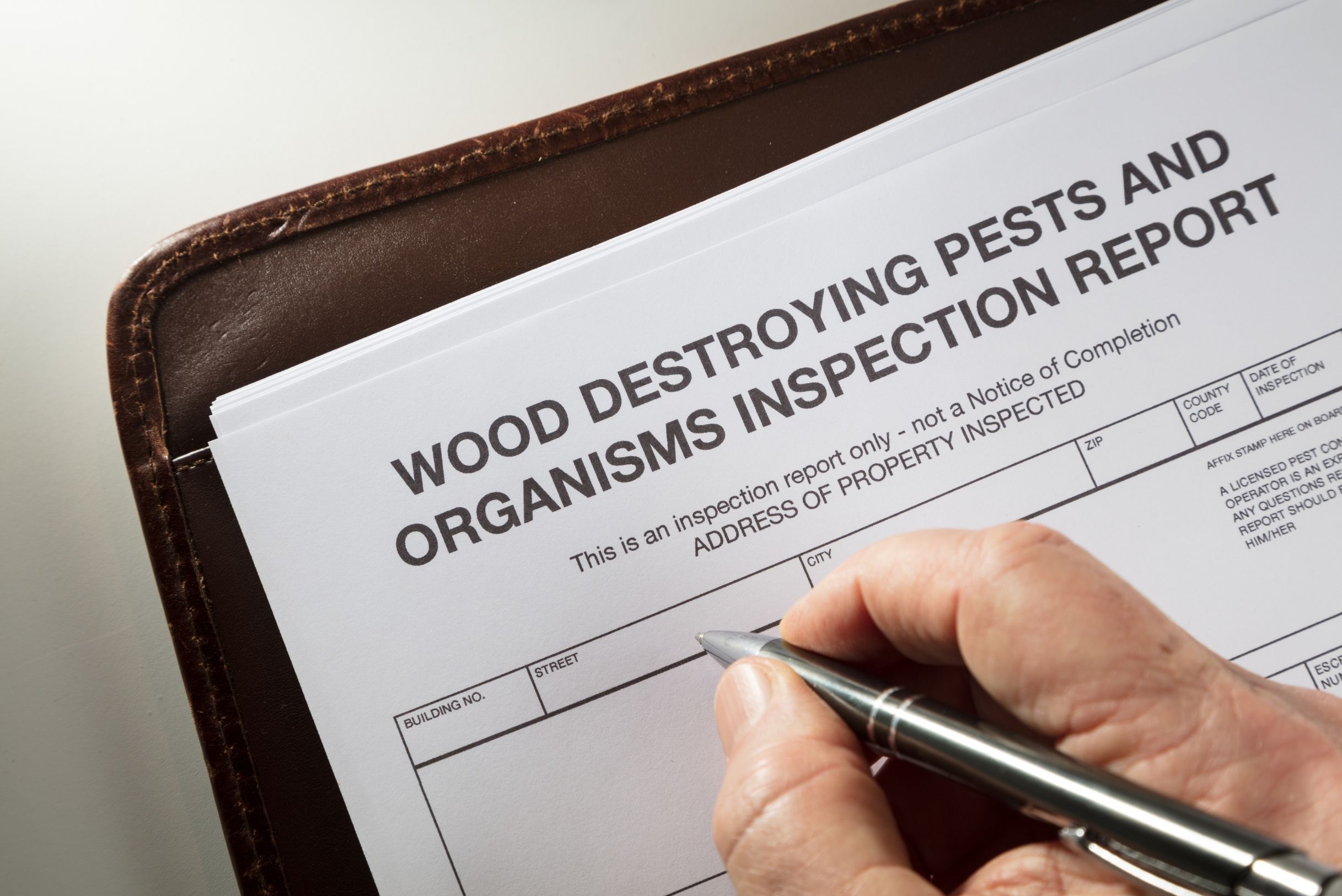
North Carolina uses the NPMA-33, a standardized Wood-Destroying Insect Inspection Report that documents whether the property has active infestations, previous damage, or conditions that invite them. It works differently than the CL-100 used across the border in South Carolina. The NPMA-33 focuses specifically on insects - termites, wood-boring beetles, carpenter ants, and carpenter bees - and does not cover wood-decaying fungi, which is a separate concern.
In NC, the WDI inspection typically happens during the due diligence period. The buyer usually orders it, though the parties can negotiate who covers the cost. What matters is timing: findings from the inspection feed directly into repair negotiations, and those negotiations need to happen before the due diligence deadline. A report that shows up two days before the window closes leaves almost no room to negotiate treatment or request seller concessions. The earlier you have it, the more options your buyer has.
What the Inspection Covers
The NPMA-33 documents three findings categories and a treatment history. Our inspection addresses all of them.
Section I: Visible evidence of wood-destroying insects.
Active infestations - live termites, carpenter ants, wood-boring beetles, or carpenter bees - found during the inspection. Mud tubes, frass, kick-out holes, and exit holes are all indicators. If something is active, it gets documented here.
Section II: Visible damage from wood-destroying insects.
Structural damage caused by current or previous infestations. This is what drives repair requests during due diligence - compromised framing, floor joists, or substructure that your buyer’s lender or home inspector may also flag.
Section III: Conditions conducive to infestation.
Moisture problems, wood-to-ground contact, improper grading, cellulose debris in the crawl space, or ventilation issues that make the property attractive to wood-destroying insects, even if no active infestation is present. Lenders look at this section when evaluating the property.
Section IV: Previous treatment.
Evidence of prior termite treatments - bait stations, drill marks from liquid treatment, chemical barriers, or treatment tags. If the property has been treated before, the report reflects what’s still in place and whether it appears active.
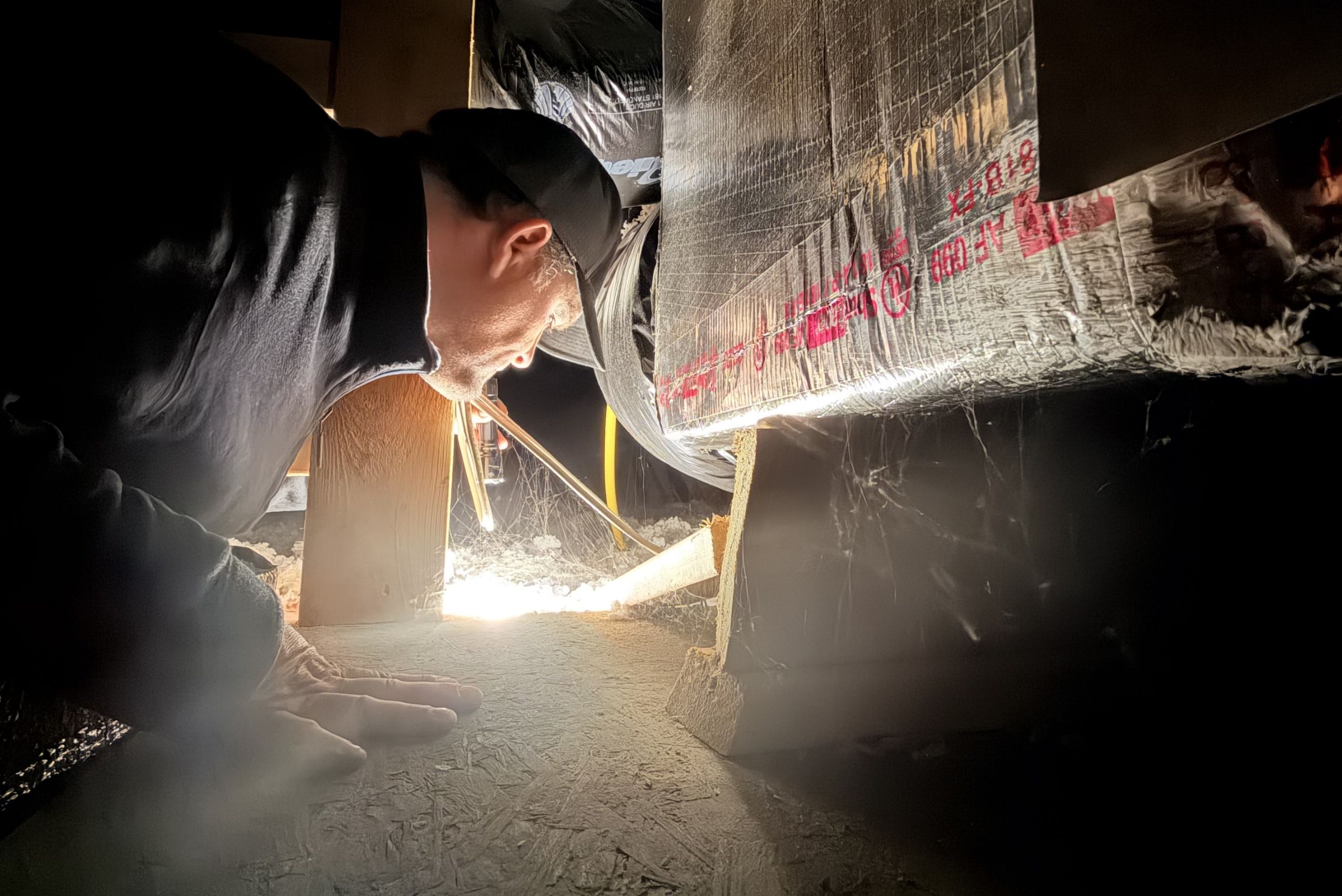
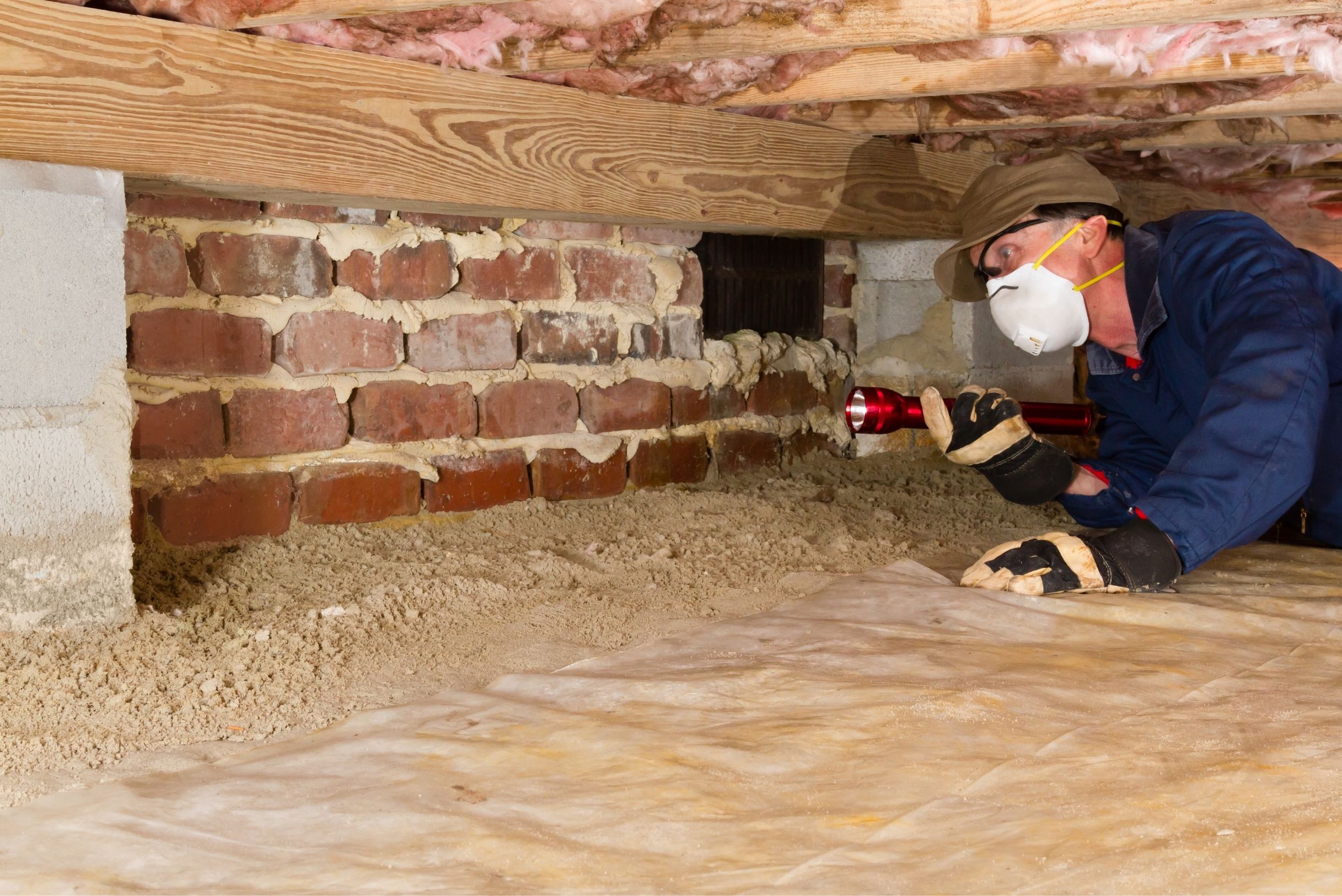
The technician walks the full property - foundation, crawl space, accessible wood structures, and any areas flagged for concern. Areas that couldn’t be accessed are documented on the report as obstructions, so the buyer and lender know exactly what was and wasn’t visible during the inspection.
Why Charlotte Agents Use Cornerstone for WDI Inspections
Your due diligence deadline drives the schedule.
Tell us when the window closes. We work backward from there and confirm the delivery date before the inspection happens. No guessing whether the report will show up in time.
One company handles both sides of the state line.
If you work closings across the Charlotte metro, some of your properties are in NC and some are in SC. NC requires an NPMA-33. SC requires a CL-100. We handle both, which means you don’t need a separate vendor for York County transactions.
Findings come with next steps, not just a document.
When the inspection turns up active wood-destroying insects or visible damage, we can walk through treatment options on the same call - bait stations, liquid treatment, or both. Your buyer gets a clear picture of what remediation looks like and what it costs, which is what they need to negotiate during due diligence.
You talk to someone who’s been on your side of the transaction.
Cornerstone’s owners operate a top-10 Charlotte-area real estate brokerage. They understand due diligence timelines, repair negotiations, and what the closing attorney needs to see. When you call about a WDI inspection, you’re not explaining why the deadline matters.
What Happens Before, During, and After Your Service
Before
Call or text with the property address, your due diligence deadline, and access details (lockbox code, tenant coordination, listing agent contact). We’ll confirm the appointment and send a reminder before the visit.
During
Our technician inspects the full property - foundation, crawl space, accessible wood framing, and any areas showing signs of wood-destroying insect activity. All sections of the NPMA-33 are documented on site, including any obstructions or inaccessible areas. The inspection typically takes 30-45 minutes depending on property size and crawl space accessibility.
After
You’ll have the completed NPMA-33 within the same day as the inspection. Delivered digitally, formatted for closing. If active infestation or damage was documented, we’ll include treatment recommendations and can schedule service on the same call - while there’s still time in the due diligence window to negotiate.

WDI Inspection for North Carolina Real Estate Transactions
Frequently Asked Questions
What is an NPMA-33?
The NPMA-33 is the standard Wood-Destroying Insect Inspection Report used in North Carolina. It documents the presence or absence of wood-destroying insects - termites, carpenter ants, wood-boring beetles, and carpenter bees - along with any visible damage, conducive conditions, and previous treatment history. If your property is in Mecklenburg County, Union County, or elsewhere in NC, this is the report your transaction needs.
Who pays for the WDI inspection, buyer or seller?
In North Carolina, the buyer typically orders the WDI inspection during due diligence. Who covers the cost is negotiable between the parties. We can invoice the buyer, the seller, or route documentation through the closing attorney - whatever the transaction calls for.
How fast can I get a completed report?
Turnaround depends on scheduling and property size. In most cases, we can complete the inspection and deliver the report same day as inspection. If due diligence is closing in, tell us when you schedule and we’ll work to meet it.
Can Cornerstone set up a termite bond as part of the transaction?
Yes. We offer both bait station installation and liquid treatment. If the buyer wants a bond in place before closing, we can coordinate that alongside the inspection.
Does the NPMA-33 cover wood rot or fungal damage?
No. The NPMA-33 covers wood-destroying insects only. Wood-decaying fungi fall outside its scope. South Carolina’s CL-100 does include fungi. If your buyer wants a fungi assessment on an NC property, that would be a separate evaluation.
What’s the difference between an NPMA-33 and a CL-100?
The NPMA-33 is North Carolina’s report. The CL-100 is South Carolina’s. The biggest difference: the CL-100 covers wood-destroying organisms broadly, including wood-decaying fungi. The NPMA-33 focuses specifically on wood-destroying insects. If your property is in NC, you need an NPMA-33. If it’s in SC, you need a CL-100. We handle both.
Why does the due diligence deadline matter for the WDI inspection?
In NC, the due diligence period is the buyer’s window to investigate the property and negotiate based on findings. If the inspection turns up active infestation or damage, your buyer needs time to request repairs or seller concessions before that window closes. A late report compresses that timeline or eliminates it.
What happens if wood-destroying insects are found?
The report documents the species, location, and extent of activity. We can discuss treatment options with you or directly with your buyer on the same call, including cost estimates they can use in repair negotiations. Having the same company handle both the inspection and the treatment means one fewer vendor to coordinate.
Does someone need to be at the property?
Access is required, especially to the crawl space and interior. If the property is vacant with a lockbox, provide the code. If it’s occupied, coordinate access with the homeowner or tenant ahead of time.
Can I schedule multiple inspections at once?
Yes. If you have several closings in the pipeline, call or text and we’ll set up all of them.
Serving Charlotte, Fort Mill, Rock Hill & Surrounding Communities
We operate out of two offices to cover the greater Charlotte metro and surrounding areas in both Carolinas.

Charlotte, NC
8809 Lenox Pointe Dr Ste A Charlotte, NC 28273
(704) 499-9373

Fort Mill, SC
100 Main St, Suite 201-A, Fort Mill, SC 29715
(803) 868-9229
Our service area includes Mecklenburg County, Union County, York County, and Lancaster County - covering Ballantyne, Huntersville, Waxhaw, Mint Hill, Matthews, Indian Land, Tega Cay, Lake Wylie, Rock Hill, and the communities in between.