
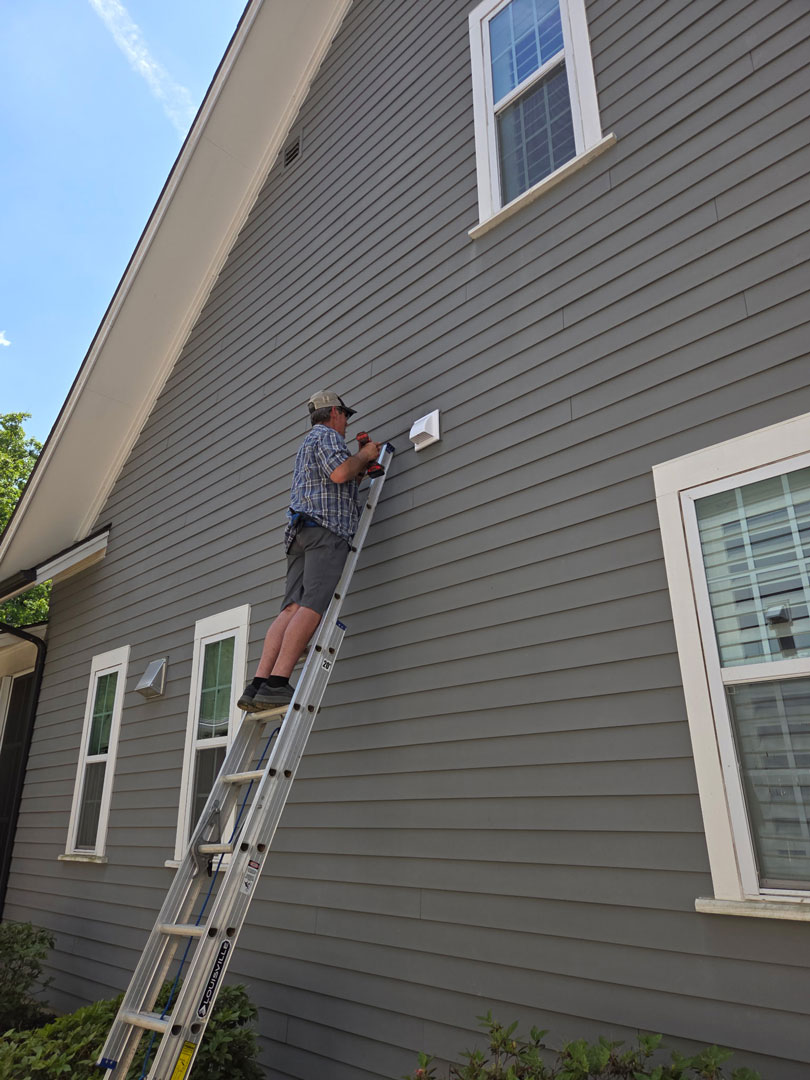
Get Bats Out of Your Attic and Keep Them Out
Charlotte & Fort Mill bat exclusion that removes the colony from your home humanely, seals the openings they were using, and gives you back your attic.
You're hearing scratching overhead at dusk. There's a smell in the attic that wasn't there before. Maybe you spotted one circling a room after dark or noticed dark staining around a soffit gap. Bats don't just pass through. When they're in your attic, they're roosting there, and a colony can grow year over year in the same spot. The guano piles up, insulation gets damaged, and the longer it goes, the more expensive the problem becomes. We come out, confirm what you're dealing with, and put a plan in place to get the colony out and seal your home so they can't come back.
Get Started with Bat Exclusion
Why Bats Don't Leave on Their Own and Why That Matters
Bats are creatures of habit. Once a colony establishes a roost in your attic, soffit, or gable vent, they return to the same location year after year, sometimes for decades. A single bat can eat over a thousand insects a night, which means your attic is a steady home base near a steady food source. They don't have a reason to leave. And you can't poison them or trap them the way you would a rodent, bats are insectivores, so traditional baits don't work, and many species are covered by state or federal regulations that restrict how they can be handled. The only method that actually resolves a bat problem is exclusion: allowing the colony to leave through one-way devices, then sealing every opening they were using to get back in. Anything short of that, closing one gap, hoping they move on, just pushes them to another entry point on the same structure.
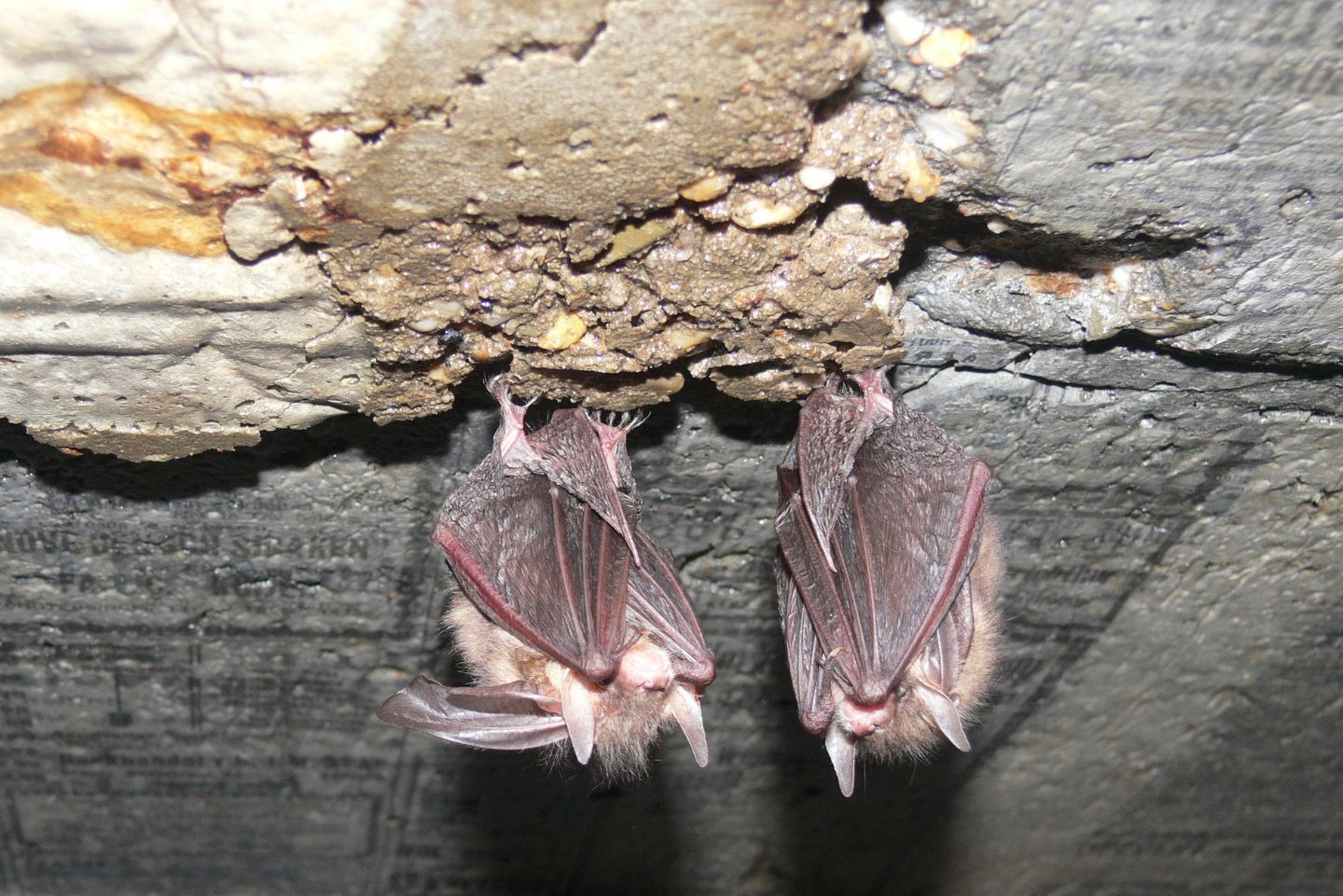
How We Get a Bat Colony Out of Your Home
Step 1: We Confirm What's Roosting, Where, and How Many
Before any exclusion work begins, we assess your home to determine the species, the size of the colony, and the primary areas they're using to enter and exit. This means checking soffits, ridge vents, gable vents, fascia gaps, and any other openings along the roofline. What we find drives the exclusion plan, including whether the timing is right. If a maternity colony is present with flightless young, exclusion has to wait until pups are capable of flight to avoid trapping them inside your walls.
Step 2: One-Way Devices Go Up, and Secondary Openings Get Sealed
We install one-way exclusion devices at the primary entry and exit points the colony is using. These let bats leave at dusk to feed but prevent them from getting back in. At the same time, we seal the secondary openings around your roofline, soffits, and vents, the gaps a colony would shift to if only the main entry were closed off. This is where most incomplete bat jobs fail: one opening gets addressed, and the colony finds another way back in within days.
Step 3: Devices Come Down, Final Openings Get Sealed, and We Confirm
They're Gone After enough time has passed for the full colony to exit. We return to remove the one-way devices and permanently seal those last entry points. We check for any remaining signs of activity to confirm the roost is clear. You're left with a sealed home and no colony overhead.
What You Get When Bat Exclusion Is Done Right
Your bat problem gets resolved completely.
not pushed to another opening on the same house. We seal secondary entry points during the exclusion, not after. That's the step that determines whether the colony actually leaves your home or just relocates to a different gap in the same roofline. You're paying for a resolved problem, not a temporary relocation.
You're not left guessing whether it worked.
We come back after the exclusion period to remove devices, seal the final openings, and confirm the colony is gone. If there's still activity, we adjust. The follow-up visit is part of the service, not something you have to ask for or schedule separately.
Your household stays safe while the work gets done.
No poisons, no fumigants, no chemicals in your attic. Exclusion works by letting bats leave on their own and preventing re-entry. One-way devices are installed on the exterior of your home. Your family, pets, and living space aren't affected by the process.
One call gets you a real answer, not a phone tree.
Call or text, and you reach someone local who can answer your question, pull up your property details, and book your appointment in one conversation. No transfers, no hold music, no explaining your situation three times before someone can actually help.
What Charlotte & Rock Hill Homeowners Are Saying
Homeowners across Charlotte, Fort Mill, and Rock Hill share their experiences.
What Happens Before, During, and After Your Service
Before
Once your appointment is set, you'll get a confirmation and a reminder the day before. You'll know exactly when we're coming. If you need to reschedule, just call or text.
During
Our technician assesses your roofline, soffits, vents, and attic to identify where the colony is roosting and how they're getting in. One-way exclusion devices are installed at primary entry points, and secondary openings are sealed. We'll walk you through what we found, where the devices are placed, and what to expect over the next several days. Expect 2-3 hours, depending on your home's size and roofline complexity.
After
Once the colony has had enough time to fully exit, we return to remove the one-way devices and permanently seal those final openings. We check for any remaining signs of activity to confirm the roost is clear. If you notice bats re-entering or new activity in a different area of the home before the follow-up, call or text, and we'll get it addressed.
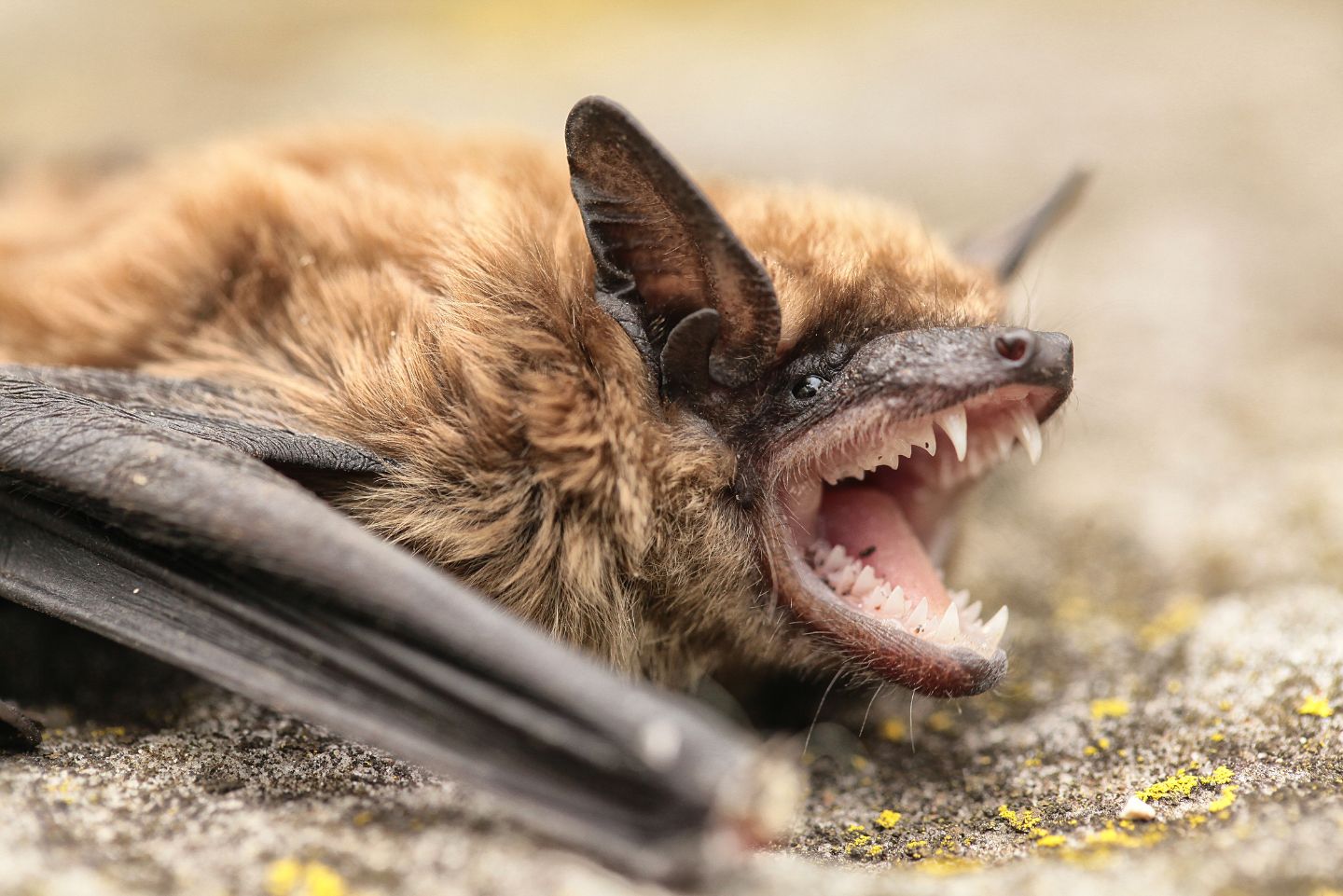

Bat Exclusion
Frequently Asked Questions
How do I know if I have bats?
The most common signs are scratching or squeaking sounds in the attic around dusk and dawn, dark staining or grease marks around small gaps in your soffit or roofline, bat droppings (small, dark pellets that crumble easily) in or near the attic, and a strong ammonia-like odor in upper floors or attic spaces. If you've seen a bat inside your living space, there's likely a colony roosting somewhere in the structure.
Can you do bat exclusion any time of year?
Not always. During maternity season, roughly May to August in the Charlotte area, colonies often include flightless young. Excluding adult bats during this window can trap pups inside your walls and attic, which turns into a bigger problem than the one you started with. We'll assess whether the timing is right during the initial visit and let you know before any work begins.
Is bat exclusion safe for my family and pets?
Yes. The process uses no poisons, fumigants, or chemicals. One-way devices are installed on the exterior of your home at the roofline entry points. Your living space isn't affected. The only area of concern is the attic itself, where accumulated guano can pose a health risk, which is why we recommend staying out of the attic space until the situation has been assessed.
Will the bats come back?
Bats are site-loyal and will attempt to return to the same roost. That's why sealing every entry point is critical. When exclusion is done properly, all secondary openings sealed during the exclusion, final openings sealed after device removal, the colony can't re-enter. If any new openings develop over time due to settling or weather, let us know, and we'll come take a look.
Do you clean up the guano?
Guano cleanup and insulation remediation can be handled as a separate service after the colony has been fully excluded. We'll assess the scope during the initial visit and let you know what's needed.
Do I need to be home?
For the initial visit, yes, we need to access the attic and interior spaces to assess the full scope of the colony. For the follow-up visit, most of the work happens on the exterior. If you want to be there for it, we're happy to walk you through what we're doing. If not, we'll leave a summary of the visit.
Ready to Get Started? Tell Us What You're Dealing With.
Fill out the form and someone from our team will follow up to answer your questions and get you on the schedule.
Serving Charlotte, Fort Mill, Rock Hill & Surrounding Communities
We operate out of two offices to cover the greater Charlotte metro and surrounding areas in both Carolinas.

Charlotte, NC
8809 Lenox Pointe Dr Ste A Charlotte, NC 28273
(704) 499-9373

Fort Mill, SC
100 Main St, Suite 201-A, Fort Mill, SC 29715
(803) 868-9229
Our service area includes Mecklenburg County, Union County, York County, and Lancaster County - covering Ballantyne, Huntersville, Waxhaw, Mint Hill, Matthews, Indian Land, Tega Cay, Lake Wylie, Rock Hill, and the communities in between.