

Wipe Out the Termite Colony Eating Your Home From the Inside Out
Charlotte Metro termite treatment that finds where the colony is actually feeding and eliminates it at the source. so the damage stops spreading and your home stays standing.
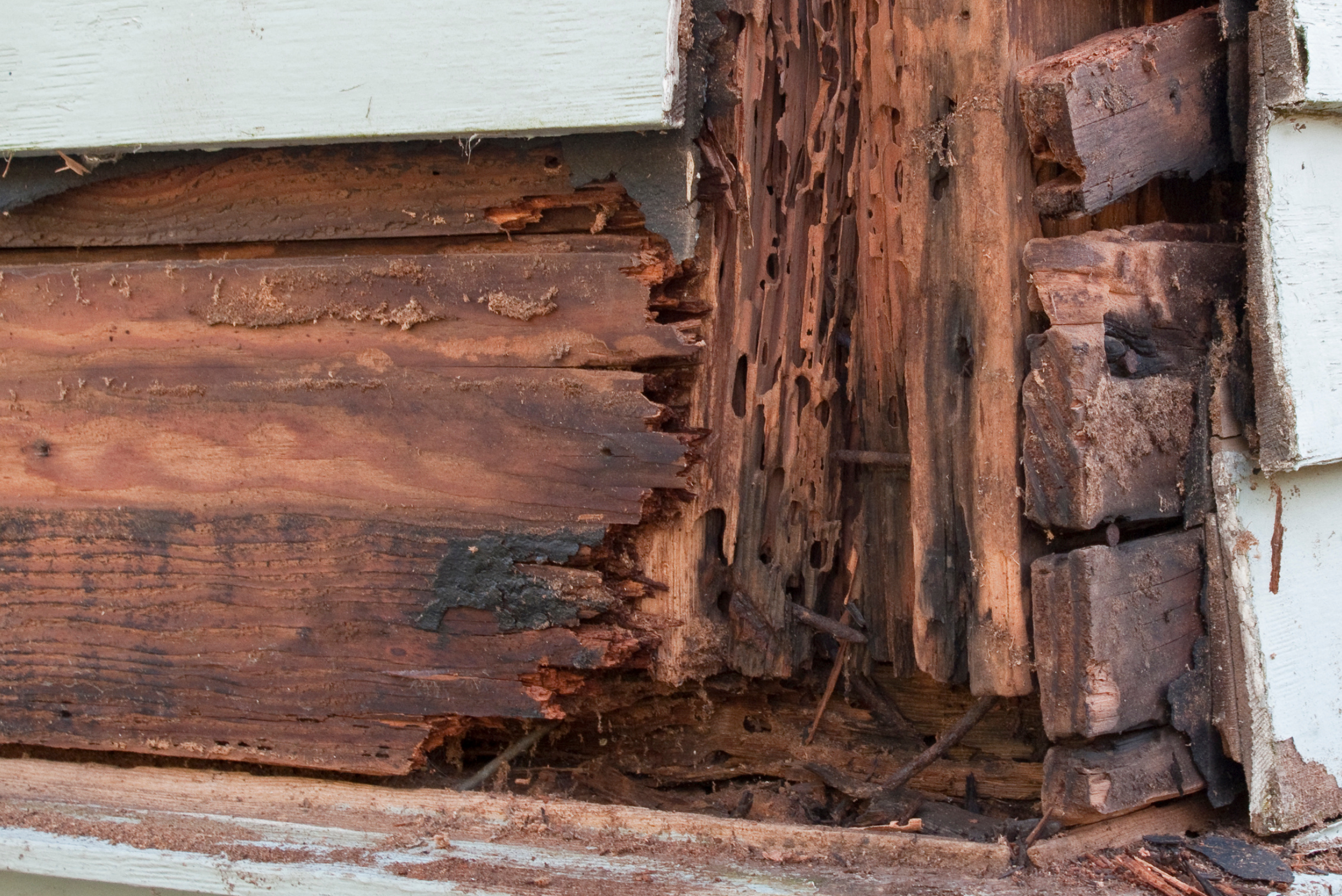
Termites work in silence. No scratching, no droppings, no sounds in the wall. By the time you notice a mud tube on the foundation or soft wood around a door frame, the colony has been feeding for months, sometimes through floor joists and support beams. Subterranean termites, the most common kind in the Charlotte Metro, can number in the hundreds of thousands. We find where the colony is actually feeding and eliminate it at the source, and can help with repairing the damage they caused
Schedule Termite Treatment
What's Actually Happening Inside Your Walls
The mud tube or soft wood you found is the visible evidence of a colony that's been feeding for months. Subterranean termites, the most common kind in Charlotte, live underground and travel up into your home's structure through foundation cracks, plumbing penetrations, and anywhere wood contacts soil. Treatment eliminates the colony at the source so the damage stops spreading, and we can help you understand what's been damaged and what needs repair.
How We Eliminate the Colony
Step 1: Find Out Exactly What You're Dealing With
You'll know where the colony is entering, how far the damage extends, and which areas need attention first. No guessing, no "we'll just treat the perimeter and hope." You get a complete picture of the infestation before any work begins.
Step 2: Eliminate the Colony at the Source
The termites you see are workers, the queen is underground producing thousands more. Treatment reaches the nest, not just the scouts, so the entire colony dies and the damage actually stops. You'll know the infestation is handled, not just suppressed.
Step 3: Understand What Needs Repair
Some damage is cosmetic, some affects your home's structure. You'll know the difference, what needs fixing now versus later, and have options for getting the work done - whether we handle minor repairs or connect you with contractors for structural work.
Step 4: Stay Covered Going Forward
Charlotte's climate means termites are always active. A termite bond gives you annual inspections and retreatment coverage if they ever return, so you're not back in this situation five years from now wondering if something's chewing through your floor joists again.
What's Included:
- Full inspection of foundation, crawl space, and damage areas
- Liquid treatment and/or bait station installation based on your situation
- Damage assessment with repair recommendations
- Option for ongoing termite bond with annual inspections
Get a Termite Assessment
Why Charlotte Homeowners Choose Us for Termite Treatment
Your Largest Investment Gets Treated Like One.
Termite damage affects your home's structure and its value. We take the time to find every entry point, eliminate the colony completely, and document what's been damaged - because a rushed treatment on a problem this serious isn't worth anyone's time. Your home deserves more than a 30-minute once-over.
Know the Colony Is Gone, Not Just Treated.
Surface sprays kill the termites they touch. The queen keeps producing replacements underground. Our treatment reaches the nest, so the colony actually dies. You get confirmation when activity stops, not a receipt and a hope-for-the-best.
Understand What the Damage Means for Your Home.
Termite damage ranges from cosmetic trim issues to compromised floor joists. You'll know exactly which you're dealing with, what needs repair now, and what can wait. No anxiety about hidden structural problems, you'll have the full assessment in hand.
Reach Someone Who Knows Your Property.
When you call with a question about your treatment or termite bond, you get a local team member who's familiar with your home - not a call center transferring you between departments. Questions get answered, not ticketed.
Stay Protected Without Thinking About It
A termite bond means annual inspections and retreatment coverage if termites ever return. You're not checking your crawl space every spring wondering if something's wrong. We handle the monitoring; you get the peace of mind.
What Rock Hill & Fort Mill Homeowners Are Saying
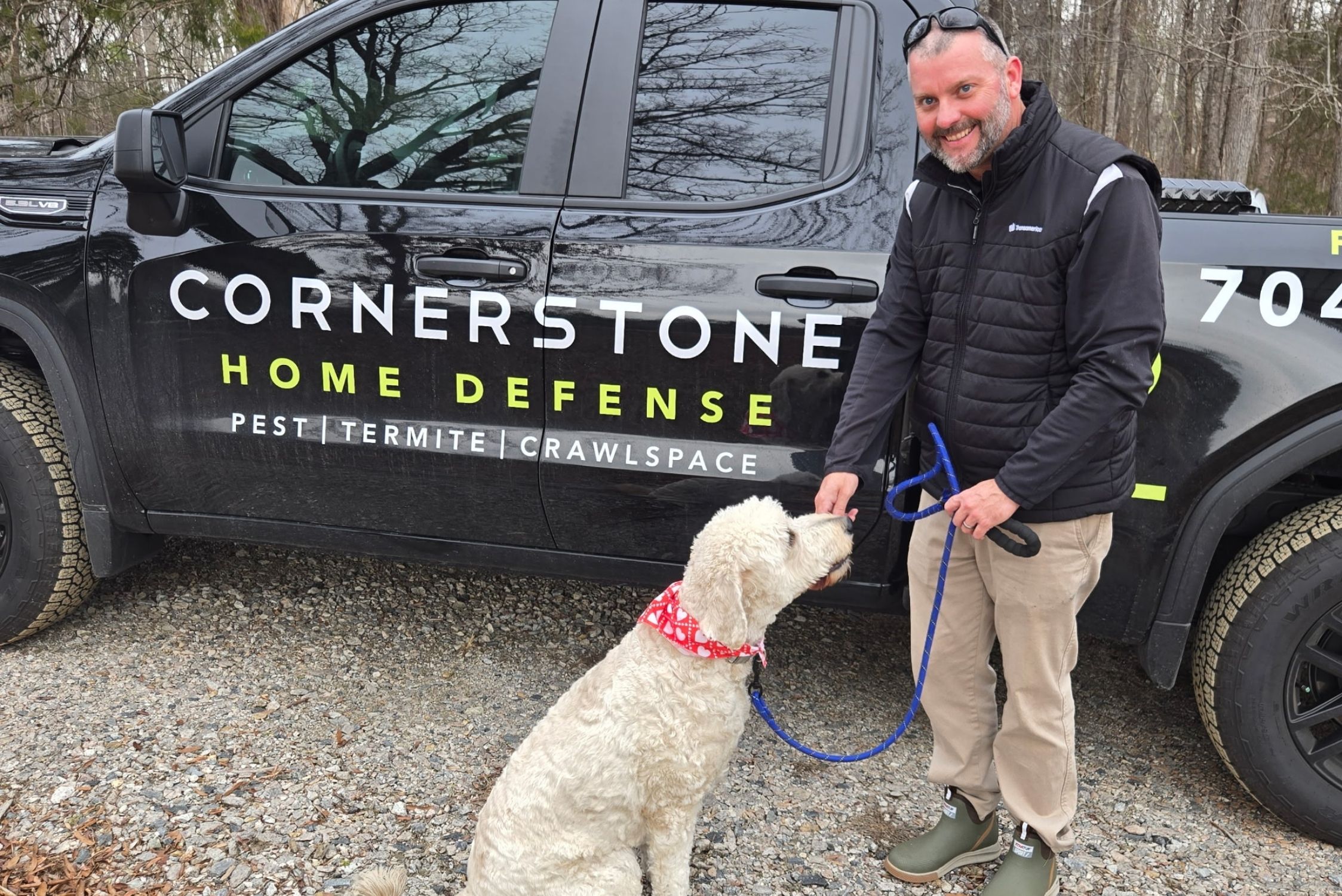
Homeowners across Rock Hill, Fort Mill, and the surrounding York County communities share their experiences.
What Happens When You Schedule Termite Treatment
Before
We'll confirm your appointment and ask a few questions about what you're seeing - mud tubes, soft wood, swarmers, or something else. This helps us show up prepared. If you have access concerns (locked crawl space, tenant-occupied property), let us know ahead of time so we can plan accordingly.
During
We start with a full inspection: foundation exterior, crawl space interior, and any areas showing visible damage. We'll identify active feeding sites, entry points, and the extent of the infestation. Then we'll walk you through the treatment plan - what we're using, where we're applying it, and why. Treatment time depends on your home's size and construction, but most residential jobs take 30-45 minutes. You'll need to be home or have someone available for access.
After
You'll get a full report of what we found, what we treated, and any damage that needs attention. Bait stations take time to eliminate the colony, usually a few months as workers carry the product back to the nest. We'll check the stations on a set schedule and let you know when activity stops. If you want ongoing protection, we can set up a termite bond before we leave.

Termite Treatment
Frequently Asked Questions
How long does it take to eliminate the colony?
Liquid treatment starts working immediately on termites that contact it. Bait systems take longer, typically 2-4 months, because they rely on workers carrying the product back to the nest. We monitor until activity stops.
Will termites come back after treatment?
They can. Charlotte has active termite populations year-round, and your home will always be a potential target. A termite bond with annual inspections catches new activity early and includes retreatment if termites return.
How do I know if the damage is structural?
We'll show you during the inspection. Surface damage to trim and door frames is common and usually cosmetic. Damage to floor joists, sill plates, or support beams is more serious. We'll tell you the difference and recommend next steps.
Is the treatment safe for my family and pets?
Yes. Products are applied in the soil around and under your foundation, not inside living spaces. Bait stations are tamper-resistant and placed in the ground. Once treatment is complete, there's nothing for kids or pets to contact.
Do I need to leave my house during treatment?
No. Most of the work happens outside and in the crawl space. If interior treatment is needed (rare, but sometimes necessary for drywood termites or severe infestations), we'll let you know in advance.
Can you repair the termite damage?
We can handle minor wood repairs. For structural work - sistering joists, replacing sill plates, that kind of thing - we'll refer you to contractors we work with who specialize in structural repair.
Stop the Colony Before the Damage Gets Worse
Termites don't take breaks. Every day the colony keeps feeding, the damage spreads further into your home's structure.
The sooner we get in there, the less there is to repair.
Give us a call, send a text, or fill out the form below. Most termite inspections can be scheduled within a few days.
Serving Charlotte, Fort Mill, Rock Hill & Surrounding Communities
We operate out of two offices to cover the greater Charlotte metro and surrounding areas in both Carolinas.

Charlotte, NC
8809 Lenox Pointe Dr Ste A Charlotte, NC 28273
(704) 499-9373

Fort Mill, SC
100 Main St, Suite 201-A, Fort Mill, SC 29715
(803) 868-9229
Our service area includes Mecklenburg County, Union County, York County, and Lancaster County - covering Ballantyne, Huntersville, Waxhaw, Mint Hill, Matthews, Indian Land, Tega Cay, Lake Wylie, Rock Hill, and the communities in between.